Monthly REIT and BDC payouts look like easy income until the IRS taxes them as ordinary wages. Four reliable payers, one surprise replacement, and a bracket-by-bracket comparison reveal what the wrong account quietly takes from you.
Higher long-term rates offer a generational income opportunity: a steep yield curve supports cash flow even as income-asset prices fall. Favor high-quality REITs and preferred shares over distressed issuers; EPR Properties (EPR) offers a roughly 6% yield and potential dividend growth.
REITs face higher-rate headwinds, but strong earnings, constrained construction, and healthy balance sheets support the sector. This article examines every REIT that is also at least 20% undervalued and yields at least 75 bps above the "no-risk" rate. Further screening for dividend safety, FFO growth, and balance-sheet quality leaves six candidates.
Earnings season is creating sharp selloffs and new buying opportunities. Temporary setbacks may be hiding significant long-term upside. Two overlooked investments now offer unusually high yields and steep discounts.
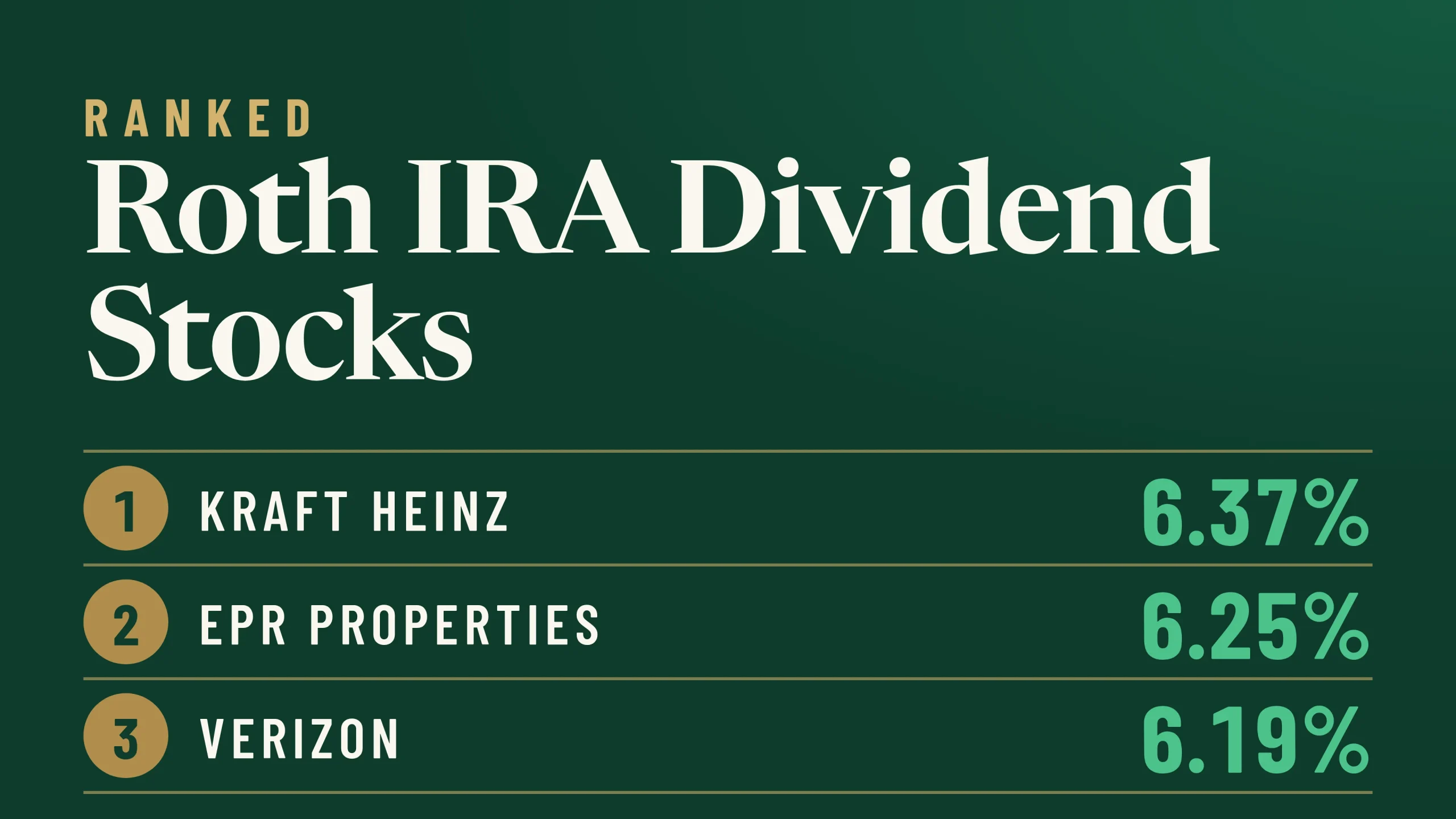
Four stocks paying over 6% can quietly hand the IRS thousands every year, and one of them gets taxed far harder than the rest. Find out which holding belongs in a Roth first and why the gap keeps growing.
One retiree dumped a famous 12% yield fund for a rival that pays nearly the same, and the real difference has nothing to do with this month's check. The gap shows up years later, when inflation starts taking its cut.
If you're retired and living off a portfolio, a dividend has two jobs. It has to pay enough to matter, and it has to keep paying through a full market cycle.
KANSAS CITY, Mo.--(BUSINESS WIRE)--EPR Properties (NYSE:EPR) announced the closing of a private offering of $575M aggregate principal amount of 4.5% convertible senior notes due 2032.
Retirement bills arrive monthly, but most dividend stocks pay quarterly. One lineup of monthly payers aims to close that gap, yet a fifth pick got cut after quietly changing its schedule, and each survivor carries a risk worth knowing.
U.S. equity markets rebounded despite a surge in Treasury yields, as hotter-than-expected inflation disrupted the recent bond rally and sharply increased expectations for additional Fed tightening. Consumer and producer inflation remained uncomfortably firm, reinforcing concerns that the recent energy shock is increasingly bleeding into core prices, services, and other broader inflation categories. The S&P 500 snapped a four-week losing streak with a 2.6% gain, while the Nasdaq 100 rebounded 3.7% despite Nvidia plunging roughly 13% following Jensen Huang's resignation.