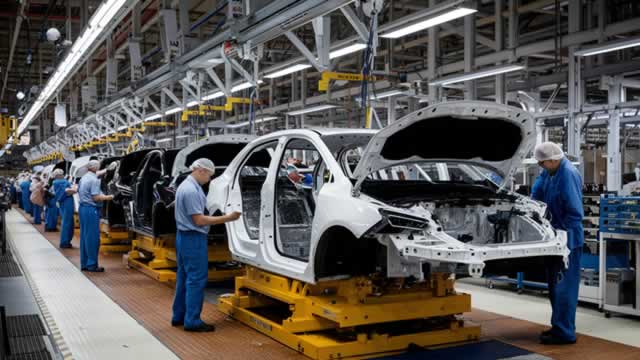
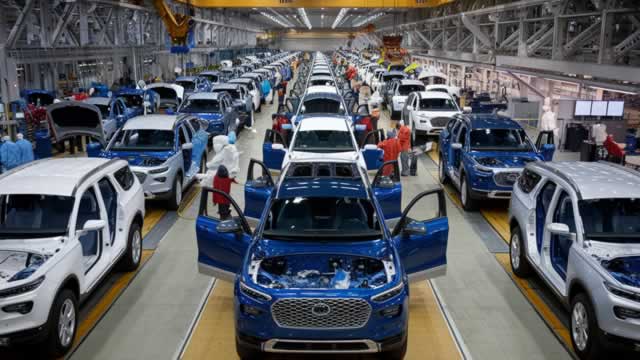
Carvana (NYSE: CVNA), the leading e-commerce platform for buying and selling cars, today announced plans to bring Inspection and Reconditioning Center (IRC) cap
Carvana Co. (NYSE:CVNA) is consolidating Wednesday. Shares gained more than 5% yesterday after analysts at Jefferies Financial Group Inc. (NYSE:JEF) said the company's September unit sales were 40% above Wall Street estimates.
Carvana Co. (NYSE: CVNA - Get Free Report)'s share price traded down 6.7% on Monday. The company traded as low as $60.70 and last traded at $60.6950. 5,979,886 shares were traded during mid-day trading, a decline of 56% from the average session volume of 13,457,734 shares. The stock had previously closed at $65.06. Analyst Ratings Changes
Carvana Co. (NYSE:CVNA) could post its biggest quarterly sales beat since early 2025, Jefferies said, as website data showed vehicle sales growth accelerating to about 40% in recent weeks. The broker reiterated its "buy" rating and $88 price target.
CarMax (NYSE:KMX | KMX Price Prediction) stock is up 6% to $59.75 early in the session after the used-car retailer posted stronger fiscal 2027 second-quarter earnings and indicated a return to share buybacks.
Carvana delivered its 10th straight quarter of record profitability and revenue, with Q2 FY26 retail units up 38% and revenue up 52%. CVNA's growth is constrained by inventory and reconditioning capacity, not demand; management is aggressively expanding capacity to address this bottleneck. Profitability gains are driven by higher sales volumes and improved cost discipline, with gross profit hitting a record despite a drop in gross profit per unit.
Carvana (NYSE: CVNA - Get Free Report) and Winmark (NASDAQ: WINA - Get Free Report) are both consumer discretionary companies, but which is the superior investment? We will compare the two companies based on the strength of their dividends, profitability, analyst recommendations, institutional ownership, earnings, risk and valuation. Earnings and Valuation This table compares Carvana and Winmark"s
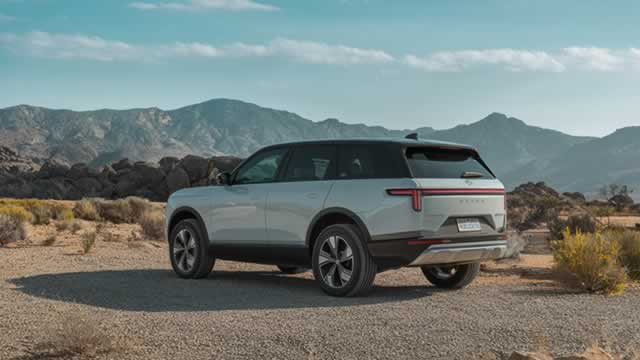
Carvana has bounced back from its near-bankruptcy, and now it's once again fundamentally shifting its strategy. Carvana's entry into new-car sales also has the potential to create synergy with its historical businesses.