Die Grafik zeigt die prognostizierten Quartalsgewinne (Bereinigter Gewinn pro Aktie, EPS) und die tatsächlich erzielten Gewinne (grün: Analystenschätzungen übertroffen, rot: Analystenschätzungen verfehlt) für den ausgewählten Zeitraum.
Umsatz (USD)
Schätzung
Umsatz
Die Grafik zeigt die prognostizierten Quartalsumsätze und die tatsächlich erzielten Umsätze (grün: Analystenschätzungen übertroffen, rot: Analystenschätzungen verfehlt) für den ausgewählten Zeitraum.
Güte der Analystenschätzungen – EPS (aktueller Zeitraum)
Quartal / Datum
EPS (USD)
Schätzung (USD)
Abweichung
Quartal / Datum
Umsatz (Mrd USD)
Schätzung (Mrd USD)
Abweichung
Revisionen der Gewinnschätzungen
EPS-Schätzungen für die Geschäftsjahre
2026, 2027, 2028.
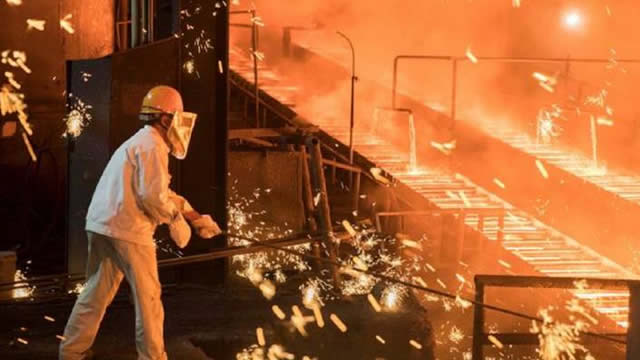
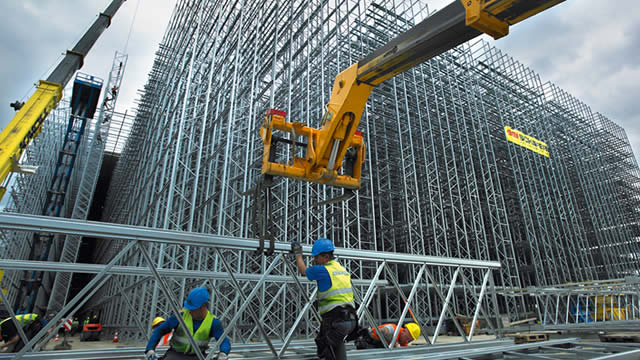
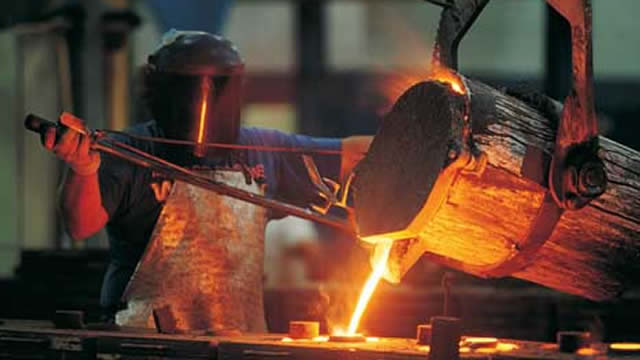
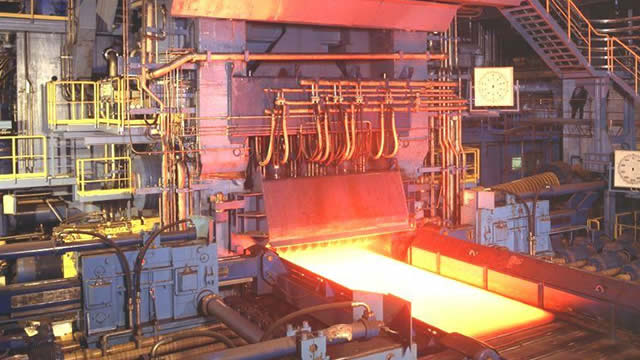
Shares of Brazilian mining giant Vale S.A. (NYSE:VALE) are falling Tuesday afternoon, joining a broader downturn across steel producers and raw material suppliers following detailed government plans for a massive domestic steelmaking expansion in the United States.
Vale remains a low-cost, globally scaled iron ore producer, but its investment case is complicated by cyclical exposure and Brazilian regulatory risks. Recent cost inflation and uncertain iron ore pricing compress the margin outlook; all-in cost guidance rose to $58–$62, with iron ore margins potentially down 33% from prior scenarios. Growth optionality exists via higher-value products (pellets, briquettes) and base metals ramp-up, but near-term shareholder yield (~15%) is tempered by Brazil's high risk-free rate and cyclical headwinds.
Vale's iron ore business is still doing little to help the bull case, with realized prices near $95/t and cost pressure keeping earnings upside limited. Vale Base Metals is becoming much more important, with copper now driving most of VBM's EBITDA and improving the company's overall earnings mix. That stronger Base Metals contribution may justify a richer multiple for Vale, but the company is still predominantly a ferrous story.